


















Soft scale insects: Recognize scale insects & naturally strengthen plants
Soft scale insects are stubborn plant pests that attach themselves to stems and leaf veins like small, brown "bumps". They suck plant sap and often secrete honeydew – which can lead to sticky leaves and sooty mold. Here you will learn how to safely identify soft scale insects and reduce the infestation sustainably.
What are soft scale insects?
Soft scale insects belong to the group of scale insects (family Coccidae). They have a protective, bowl-like "cover" and remain stationary on the plant. The insects suck on stems and leaf veins and weaken the plant through continuous sap extraction. Often, honeydew is also produced, on which sooty mold fungi can later settle.
How to recognize an infestation
- Brown to beige, shield-like bumps on stems/leaf veins
- Sticky leaves (honeydew)
- Black coating (sooty mold) on honeydew
- Weakened growth, yellowish leaves, leaf drop
Which plants are frequently affected?
- Citrus plants, oleander, ficus
- Houseplants with woody stems
- Orchids & Mediterranean potted plants
- Roses and ornamental shrubs (depending on location)
Why does an infestation occur?
- Insects introduced on new plants
- Dry heating air and weakened plants
- Insufficient air circulation, dense crowns
- Over-fertilization (soft shoots) or stress due to relocation
What to do in case of infestation? (natural & sensible)
1. Remove scale insects mechanically
- Carefully wipe off visible insects (e.g., with a cloth/cotton swab)
- Prune heavily infested shoots (if possible)
2. Clean plant & remove honeydew
- Shower or wipe leaves with lukewarm water
- Reduce sticky areas (sooty mold can otherwise spread)
3. Improve conditions
- Keep location stable, avoid stress
- Ensure better air circulation
- Check regularly – especially new shoots
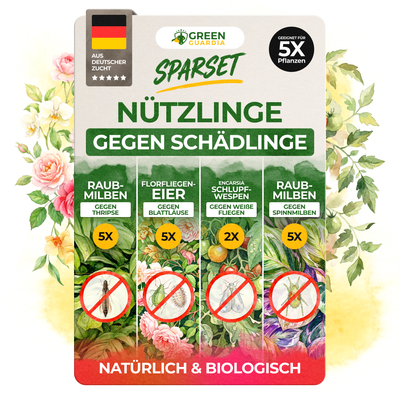
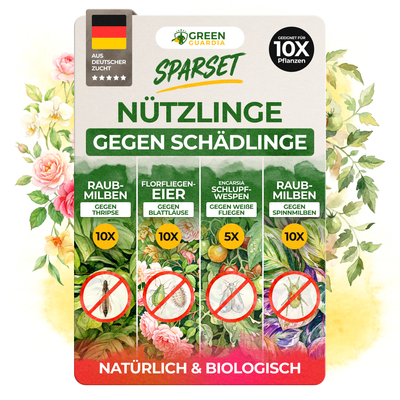
Beneficial insects against soft scale insects
In suitable environments, natural antagonists can help regulate scale insect populations. The decisive factor is a stable plant environment (light, care, air circulation) – because strong plants withstand suction pressure better and are less frequently heavily re-infested.
FAQ about soft scale insects
Why are the insects so hard to remove?
The shield protects the insects. This makes them more resilient than many other pests. Consistency and early intervention are crucial.
What does "sticky leaves" mean?
This is usually honeydew – a sugary excretion from the scale insects. Sooty mold can settle on this as a black coating.
Should I isolate the plant?
Yes, if possible. Scale insects can spread to other plants – especially when plants are placed close together.
How can I prevent this?
Check new plants, monitor regularly, provide good air circulation and stable care (not too dry, not too nitrogen-heavy).