






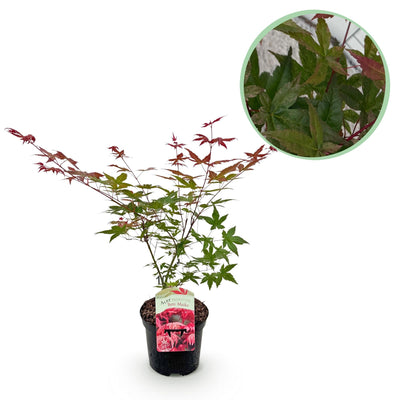
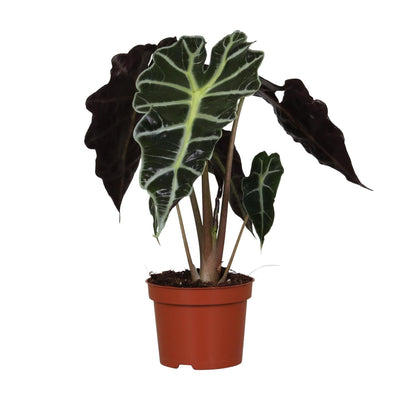


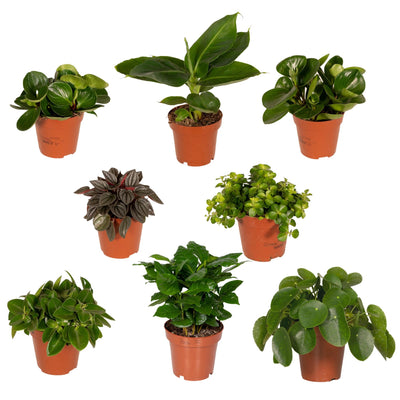


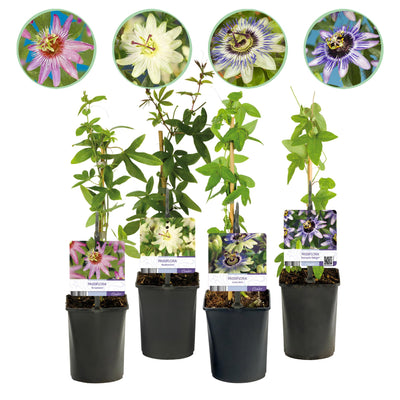











Black Vine Weevil: Recognizing leaf notches & root damage
The black vine weevil is a widespread plant pest in gardens, on patios, and balconies. It is characterized by crescent-shaped notches on the edges of leaves. However, the actual damage is caused by the larvae in the soil, which feed on roots, weakening plants or causing them to die. Here you will learn how to reliably identify black vine weevils and take effective countermeasures.
What is the black vine weevil?
Black vine weevils are nocturnal beetles that stay well-hidden during the day. The adults feed on leaves, but usually only cause cosmetic damage. The larvae are dangerous: they live in the soil and feed on roots and root collars, which can massively disrupt the plant's water and nutrient uptake.
How to recognize an infestation
- crescent-shaped notches on leaf edges
- wilting or stunted plants despite watering
- loose stability of the plant (roots damaged)
- white, legless larvae in the soil
- beetles on leaves or the edge of the pot at night
Which plants are frequently affected?
- Rhododendron, cherry laurel, boxwood
- Strawberries
- Roses, hydrangeas
- Potted and balcony plants
Why does an infestation occur?
- Larvae overwintering in the soil
- Introduced plants (potted goods)
- Protected hiding spots (mulch, pots, tiles)
- Mild winters favor high populations
What to do in case of infestation? (natural & sensible)
1. Reduce adult beetles
- Collect at night (by hand, dish with water)
- Remove hiding spots during the day (lift tiles, pots)
2. Combat larvae in the soil
- Keep soil evenly moist (important for beneficial insects)
- Check potted plants very thoroughly
3. Strengthen plants
- Water adequately but not excessively
- Avoid waterlogging
- Relieve damaged plants (pruning)
Beneficial insects against black vine weevil: Nematodes
Nematodes (beneficial roundworms) are a proven, natural method against black vine weevil larvae in the soil. They enter the larvae and thus interrupt their development. They are harmless to humans, pets, and plants and disappear as soon as there are no more hosts present.
FAQ about the black vine weevil
Does the beetle itself cause significant damage to the plant?
Usually not. The leaf notches are noticeable, but the main damage is caused by the larvae at the roots.
When is the best time to combat them?
Spring and late summer/autumn – that is when many larvae are active in the soil and easily accessible for nematodes.
Can the infestation return?
Yes, if surrounding areas are affected or new plants are introduced. Regular monitoring and prevention are therefore important.
How can I prevent it?
Check new plants, reduce hiding spots, do not let the soil dry out, and monitor early – especially for known host plants.