


















Pea Aphid: Identifying colonies on peas & taking natural action
The pea aphid is a specialized type of aphid that primarily infests peas and other legumes. It is often found in dense colonies on shoot tips, flowers, and young pods. Typical consequences include honeydew, distorted growth, and weakened plants. Here you will learn how to identify the pea aphid, which beneficial insects can help – and what makes sense when beneficial insects alone are not enough.
What is the pea aphid?
The pea aphid (Acyrthosiphon pisum) is a relatively large aphid, usually green in color and easily visible. It sucks plant sap from young plant parts and can reproduce very quickly in warm weather. This feeding causes growth stunting, deformed shoots, and an overall weakened appearance of the plant. In addition, it excretes honeydew, which attracts ants.
How to recognize an infestation
- Larger, green aphids in dense colonies
- Especially on shoot tips, flower clusters, and young pods
- Sticky honeydew, often with ant activity
- Distorted or stunted shoots
- Weaker growth, reduced pod set
Which plants are affected?
- Peas (primary host)
- Beans and other legumes
- Rarely other neighboring plants under high infestation pressure
Why does an infestation occur?
- Warm, dry weather
- Soft, rapid growth (e.g., due to over-fertilization)
- Few natural predators in the garden bed
- Ants that "protect" aphids
Beneficial insects for pea aphids
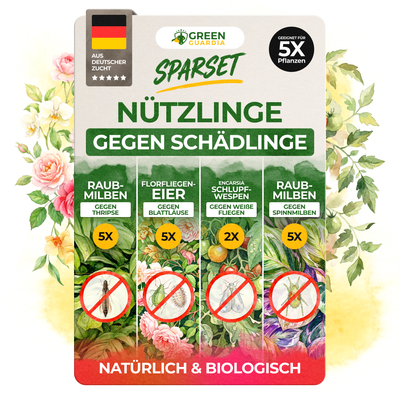
There are effective natural predators for pea aphids. Creating an environment where these beneficial insects can thrive is particularly important.
- Ladybugs & ladybug larvae – consume large quantities of aphids
- Lacewing larvae – very effective for colonies
- Parasitic wasps (aphid-specific) – parasitize aphids
- Hoverfly larvae – particularly helpful in natural gardens
What to do if beneficial insects are (not yet) enough?
Especially in a vegetable garden, beneficial insects are not always present in sufficient numbers immediately. In this case, a combined approach is useful:
1. Mechanical reduction
- Spray the plants thoroughly with water
- Carefully remove heavily infested shoot tips
2. Keep ants away
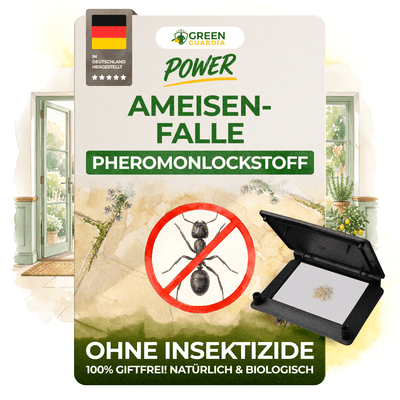
- Interrupt ant trails (e.g., barriers, adhesive bands on supports)
- Fewer ants = better chances for beneficial insects
3. Improve plant conditions
- Do not over-fertilize, ensure consistent watering
- Allow air & light to reach the plants
- Check regularly, react early
FAQ about the pea aphid
Is the pea aphid dangerous to the harvest?
In cases of heavy infestation, it can significantly affect growth and pod formation. Taking early action protects the yield and plant health.
Why are there so many ants on my peas?
Ants are attracted to the honeydew and "tend" to the aphids. Fewer ants = better chances for beneficial insects.
Are beneficial insects always enough on their own?
Often yes, in stable, natural gardens. For initial heavy infestations or in a young vegetable bed, combining with mechanical measures is recommended.
How can I prevent this in the future?
Fertilize in a balanced way, check regularly, integrate flowering plants for beneficial insects, and do not encourage ants.