


















Psyllids: Detecting damage & containing naturally
Psyllids (jumping plant lice) are small, jumping insects that suck plant sap and can deform leaves. They appear regularly, especially on fruit trees and ornamental plants. With the right beneficial insects, the infestation can be sustainably regulated.
What are psyllids?
Psyllids are close relatives of aphids and feed on plant sap. When disturbed, they jump away jerkily – hence their name. The larvae usually sit firmly on leaves or shoots and cause the most damage.
Typical signs of a psyllid infestation
- curled or rolled-up leaves
- sticky honeydew on leaves
- black coating (sooty mold)
- small, jumping insects when touched
- delayed plant growth
Which plants are particularly affected?
- Fruit trees (e.g., pear – pear psylla)
- Ornamental shrubs & hedges
- Herbs and perennials
Why do psyllids occur?
- warm, dry weather
- tender, young shoots
- few natural predators
- monocultures
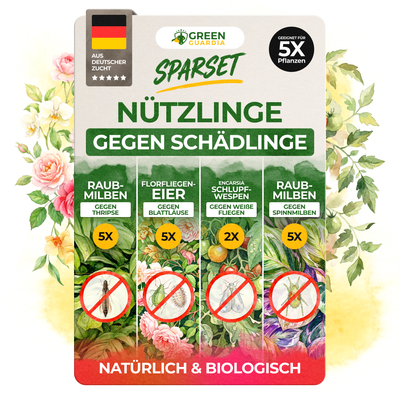
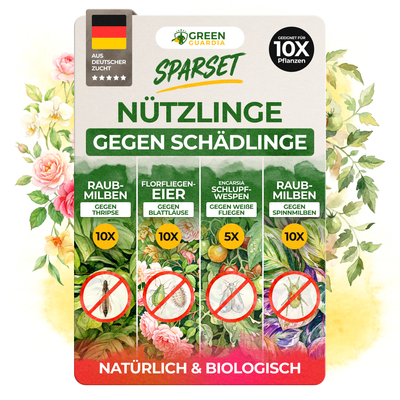
Suitable beneficial insects against psyllids
Parasitic wasps
- parasitize psyllid eggs and larvae
- act specifically at the root cause
- particularly effective in protected areas
Lacewing larvae
- eat larvae and adult psyllids
- very versatile
- also help against aphids
Additional natural measures
- prune heavily infested shoot tips
- regularly inspect plants
- site-appropriate fertilization (not too nitrogen-rich)
FAQ about psyllids
What is the difference from aphids?
Psyllids jump when disturbed and often cause more severe leaf curling than aphids.
Are psyllids dangerous?
With a heavy infestation, they significantly weaken plants, especially young trees.
When should you take action?
As early as possible in the spring, as soon as the first deformations or honeydew become visible.
Do psyllids return every year?
Yes, if no regulation takes place. Beneficial insects help to keep the infestation low in the long term.