






















Maize Weevil: Recognizing Stored Product Pests in Corn & Grain
The maize weevil is a typical stored product pest that primarily appears in corn, grain, and products made from them. Damage is mainly caused by the larvae, which develop inside or on the kernel and make stored goods unusable over time. Learn here how to recognize an infestation and take natural countermeasures.
What are maize weevils?
The term "maize weevil" is commonly used to refer to various small stored product beetles that can infest corn kernels and other grain products. The females lay their eggs directly into or onto the kernels. The larvae develop hidden from sight and often remain undetected for a long time.
How to recognize an infestation
- Small brown to dark beetles in or near stored goods
- Exit holes in corn or grain kernels
- Fine dust or crumbs in packaging
- Recurring beetle finds in the pantry
Which products are affected?
- Corn kernels and corn products
- Grain, rice, oats
- Flour, semolina, coarse meal
- Pet food and bird food
Why do infestations occur?
- Introduction via infested goods
- Long storage times
- Warm, dry storage conditions
- Non-airtight packaging
What to do in case of infestation? (natural & sensible)
1. Remove infested stocks
- Dispose of all visibly infested products
- Thoroughly check adjacent goods
2. Clean cupboards
- Completely empty pantry cupboards
- Vacuum corners, joints, and drill holes
- Wipe down with a damp cloth
3. Store food securely
- Use only airtight containers (glass/metal)
- Regularly check your supplies
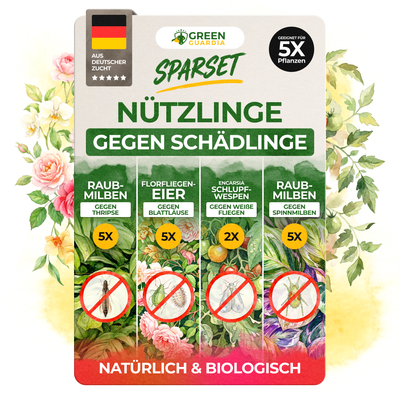
Beneficial insect recommendation: Lariophagus wasps
Lariophagus distinguendus (a type of parasitic wasp) is a proven natural antagonist to stored product beetles that infest corn. They parasitize the larvae inside the kernel and thus interrupt the development cycle – especially in places where larvae remain invisible to humans.
FAQ about the maize weevil
Is the maize weevil harmful to health?
The beetles themselves are not dangerous, but infested food should be disposed of.
How long does it take until the infestation becomes visible?
Since the larvae develop inside the kernel, an infestation can remain unnoticed for weeks.
Is cleaning alone sufficient?
Cleaning is important, but often not enough in cases of advanced infestation. Airtight storage and, if necessary, beneficial insects are crucial.
What is the best prevention?
Short storage times, regular checks, and consistently using airtight containers.