


















Root borers: Wilting despite care? How to spot feeding on the root collar
Root borers is a term used for various insect larvae that feed on roots or the root collar. It is typical for plants to appear wilted, grow poorly, or die suddenly despite being watered. Since these pests usually live hidden in the soil, early detection is important. Here you will find the most common signs, useful beneficial insects, and natural steps for reduction.
What are "root borers"?
"Root borer" is not a single pest, but rather a collective term for larvae that feed underground on roots or the root collar. Depending on the crop and location, these can be, for example, larvae of certain beetles or moths. They all have one thing in common: the damage occurs hidden and is often only visible once the plant is significantly weakened.
How to spot an infestation
- Plant is wilting despite sufficient water supply
- poor growth, yellowish leaves, sudden death
- feeding marks or "gnawed" root collar
- loose in the ground: plant can be pulled out unusually easily
- when digging up: larvae in the root area or feeding tunnels
Which plants are frequently affected?
- Young plants and seedlings (vegetables & ornamental plants)
- Potted/tub plants (in case of heavy infestation in the substrate)
- Bedding plants in heavy or permanently damp soils (location-dependent)
Why does an infestation occur?
- loose, damp soil provides a good habitat for larvae
- lots of organic material / mulch as a hiding place (depending on the species)
- stress factors (waterlogging or drought) weaken plants
- few natural antagonists in the soil
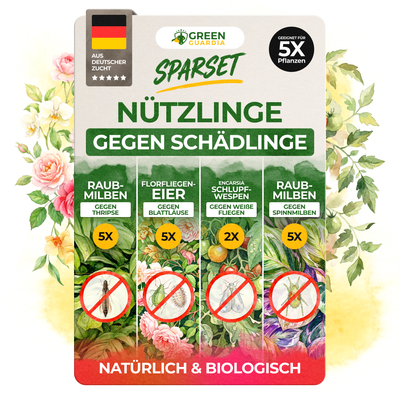
Beneficial insects against root borers
Since many root borers live in the soil, soil-dwelling beneficials are often the most sensible natural support.
- Nematodes (soil-dwelling species) – can parasitize larvae in the soil
- Ground beetles – natural predators that hunt larvae (especially in structured gardens)
What to do if infested? (natural & effective)
1. Confirm infestation & remove larvae
- dig up the affected plant and check the root area
- collect/remove visible larvae
- for potted plants: changing the substrate can help
2. Improve soil conditions
- avoid waterlogging, loosen and structure the soil
- for heavy soils: add sand/compost purposefully
- do not keep mulch too thick directly against the stem/root collar
3. Strengthen plants
- water consistently (neither let it dry out nor "drown")
- fertilize as needed, do not over-fertilize
- check regularly – especially with young plants
FAQ about root borers
Is "root borer" a specific species?
Usually not – it is a collective term for various larvae that feed on roots in the soil. The decisive factor is the damage pattern on the root collar/root system.
Why is the plant wilting despite watering?
If roots or the root collar are damaged, the plant cannot absorb water well – it appears "thirsty" even though the soil is moist.
Which natural measure is the most effective?
Confirm the infestation, remove larvae, and combine soil-dwelling beneficials such as nematodes (under the right conditions) with soil care.
How can I prevent it?
Avoid waterlogging, improve soil structure, check young plants regularly, and do not keep the root collar area constantly damp or covered.