





















Onion Thrips: Identifying silvery streaks on alliums & taking natural action
The onion thrips is a very small, sap-sucking pest that primarily attacks onions, leeks, chives, and other alliums. Characteristic signs include silvery streaks, "faded" leaf areas, and small black spots of excrement. In warm, dry weather, infestations can spread quickly. Here you will learn how to identify onion thrips, what encourages them, and which beneficial insects and measures are effective.
What is the onion thrips?
Thrips (also known as "thunderflies") are tiny insects that pierce plant cells and suck out the sap. This results in the typical silvery, streaky damage. Onion thrips are often found protected between leaf layers or deep in the stalk – which is why they are often noticed only when it is too late.
How to recognize an infestation
- silvery streaks/shimmer on the leaves
- yellowish leaf tips, later turning brown and dry
- small black dots (excrement) along the streaks
- delayed growth, thinner stalks
- upon closer inspection: tiny, slender creatures (light to dark) in leaf folds
Which plants are frequently affected?
- Onions
- Leeks
- Chives
- Garlic (depending on the location)
Why does an infestation occur?
- warm, dry weather
- wind-protected, very dry garden beds
- dense stands (lack of air circulation within the plant)
- lack of natural predators
Beneficial insects against onion thrips
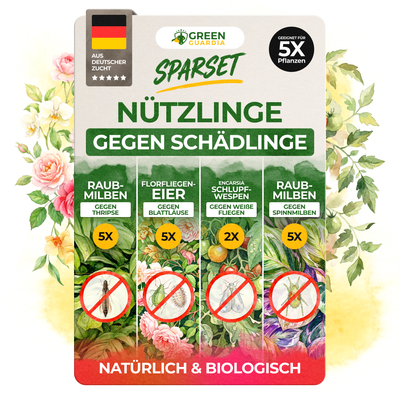
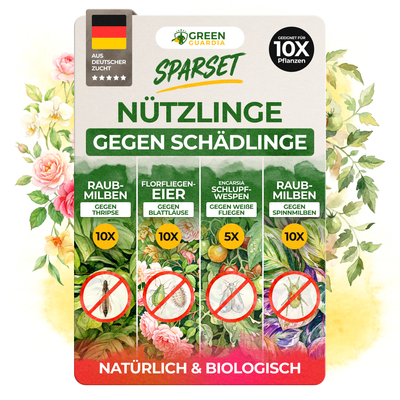
Predatory beneficial insects can help control thrips – especially if the infestation is detected early and the environment is suitable for the beneficials.
- Predatory mites (thrips-appropriate species) – hunt thrips larvae on leaf surfaces
- Lacewing larvae – feed on thrips and other soft-bodied pests
- Predatory bugs – can actively prey on thrips
What to do in case of an infestation? (natural & effective)
1. Hose down plants specifically
- Spray leek leaves thoroughly with water (to flush thrips out of leaf folds)
- Ideally in the morning so the leaves dry well
2. Improve site conditions
- water consistently (avoid drought stress)
- ensure plants are not too crowded, allow air circulation
- use mulch to retain soil moisture
3. Check regularly
- check leaf folds (this is where the infestation starts)
- take immediate action at the first sign of symptoms
FAQ about Onion Thrips
Why do the leaves look silvery?
Thrips suck out individual plant cells. The damaged cells reflect light differently – this creates the typical silvery sheen.
When is the onion thrips most active?
Especially in warm, dry weather. This is when thrips reproduce faster and plants are more stressed.
Are beneficial insects enough on their own?
Often yes, if the infestation is early – especially in combination with good water supply and regular hosing down. With heavy infestations, several measures are useful in parallel.
How can I prevent them?
Reduce drought stress, keep plantings airy, check regularly, and encourage beneficial insects in the garden (flowering plants, structures, no unnecessary spraying).