





















Pests: Understanding causes & natural prevention
"Pests" is a collective term for various insects, mites, or other small creatures that are considered a nuisance in the home or garden. The most important step is always: identify the species, find the source, and then take targeted action. Here you will get a clear overview of the most common causes and which natural measures really work in most cases.
What does “pest” actually mean?
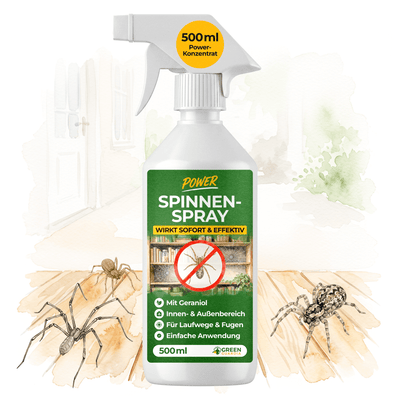
The term “pest” often refers to very different creatures – from ants to moths and beetles to mites. Not everything is automatically dangerous or “bad”: some species are actually beneficial (e.g., spiders). The deciding factor is whether there is damage, hygiene problems, or high infestation pressure.
Typical causes (almost always the same)
- Food: crumbs, open food supplies, pet food, organic waste
- Moisture: bathroom, basement, mold, permanently wet potting soil
- Heat: heating air, warm cupboards, appliance areas
- Hiding places: cracks, baseboards, cavities, roller shutter boxes
- Introduction: purchases, new plants, cardboard boxes, used textiles
First signs – what to look out for
- flying insects at the window or near lamps
- webs, fine threads, larval skins
- feeding damage on food, textiles, or plants
- small black dots (droppings) or traces of dust/crumbs
- recurring infestation despite “wiping away”
What to do about pests? (Emergency plan)
1. Roughly categorize the species
- Kitchen/food supplies: often moths, beetles, ants
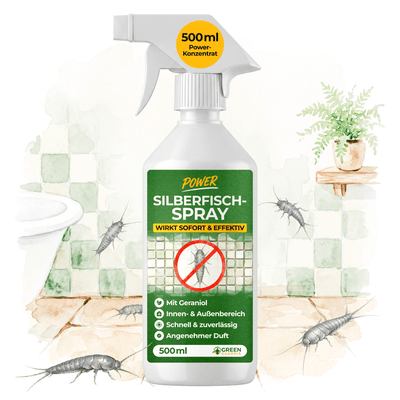
- Bathroom/basement: often silverfish, paperfish, moisture and mold indicators
- Houseplants: often fungus gnats, thrips, spider mites
- Textiles/carpets: often carpet beetles, larder beetles
2. Eliminate the source
- pack open food supplies and pet food airtight
- consistently dispose of infested items (do not “save for checking”)
- reduce moisture (ventilate, dry out, check for leaks)
- thoroughly clean dust traps and crumb-prone areas
3. Clean thoroughly (cracks are crucial)
- vacuum joints, baseboards, corners
- clear out and wipe down cupboards
- clean trash containers, check drains
4. Reduce entry routes & hiding places
- seal cracks (baseboards, pipe passages)
- fly screens on windows/doors
- check roller shutter boxes and cavities
5. Use monitoring (so you know if it's working)
- sticky traps/monitoring in pathways
- yellow sticky traps for plants
- pheromone traps for moths (only for control/early detection)
Natural solutions: Which beneficial insects fit when?
Beneficial insects are useful when the pest is clearly identified. They are particularly sustainable because they directly target eggs, larvae, or active stages.
Stored product pests (moths & beetles in the kitchen)
- Lagererzwespen (parasitic wasps) – parasitize eggs of stored product beetles and reduce the next generation
- Lagerpiraten (predatory bugs) – predatory, help supplementally against overlooked larval stages in cracks
- Trichogramma wasps – for food moths (target: eggs)
Houseplants (substrate & leaves)
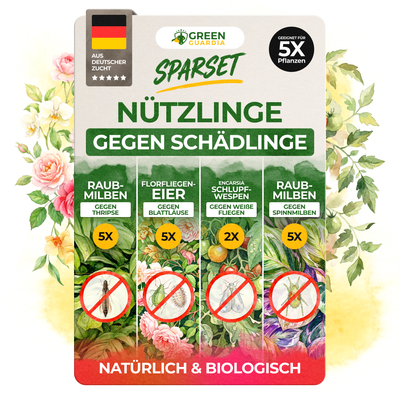
- Nematodes – against fungus gnat larvae in the substrate
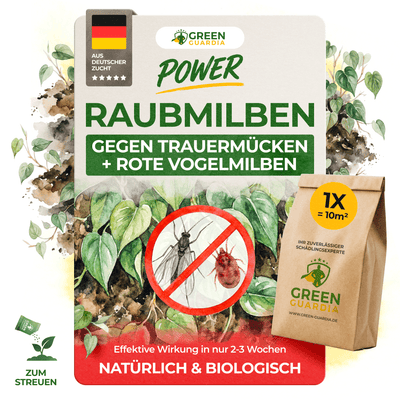
- Predatory mites – against spider mites and, depending on the species, thrips (young stages)
- Lacewing larvae – versatile predators for aphids/thrips (depending on the situation)
FAQ about “pests”
Why do pests keep coming back?
Usually, the cause remains: moisture, open food, dust traps, or entry routes. Only when these points are resolved will things permanently improve.
What is the most important first measure?
Determine the location and look for the source: Where are the animals most frequent? What could they find there (food/moisture/hiding place)? This saves the most time.
When do beneficial insects make sense?
When the species is clear and you want to specifically target eggs/larvae – e.g., moths/beetles in supplies or fungus gnats/spider mites on plants.
When should you get professional help?
In case of a very heavy infestation, recurring problems despite working on the causes, or if you suspect that the nest/source is located in cavities or structural elements.