
















Combating Grain Weevils: Natural and Effective Solutions
Discovering tiny beetles in your flour, rice, or grains – and suddenly your pantry looks like it’s "alive"? Quick action is essential. Grain weevils are among the most common pantry pests and can spread rapidly through dry food products. With a clear combination of hygiene, storage strategies, and natural helpers, you can combat grain weevils and effectively protect your pantry for the long term.
For quick infestation monitoring, a targeted solution such as the grain weevil trap with special attractant is ideal. To sustainably break the pest cycle, many households and businesses also use beneficial insects – such as Lariophagus distinguendus (parasitic wasps), which specifically target the developmental stages in your storage areas.
Causes: Where do grain weevils come from?
Grain weevils are often brought in unnoticed – especially via already infested products like rice, pasta, flour, pet food, grains, cereals, or baking ingredients. Since grain weevils sometimes develop inside the grains themselves, an infestation is often invisible at first. Warmth, undisturbed storage, and a well-stocked pantry encourage them to multiply.
Typical risk factors in your kitchen & pantry
- New supplies without inspection: Infestation is purchased along with the product and spreads in the cabinet.
- Open packaging: Beetles quickly find new food sources.
- Warmth & darkness: Cabinets, pantries, and storage rooms are ideal environments.
- Long-term storage: Large stocks offer constant food and peace.
Detection: How do you spot a grain weevil infestation?
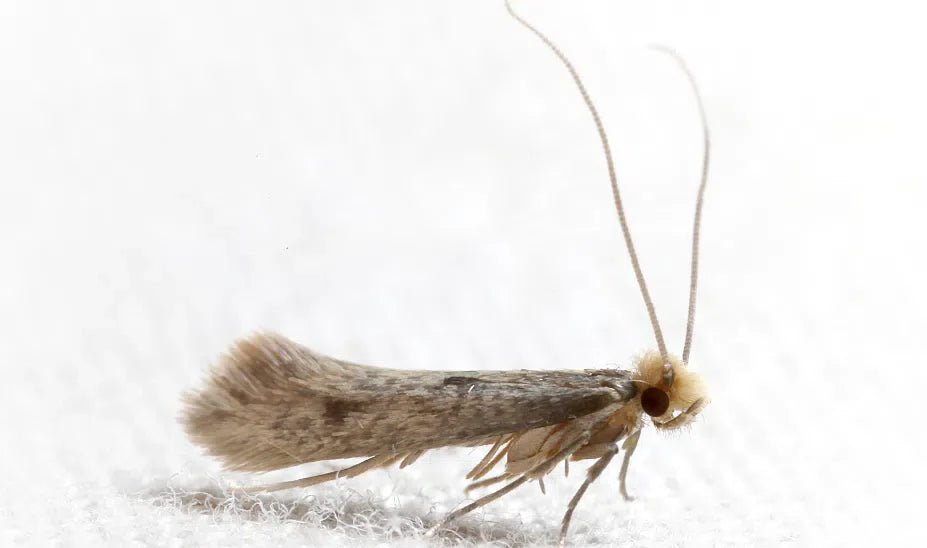
Grain weevils are usually only a few millimeters long and often only appear when the infestation is already quite advanced. Pay special attention to dry foods and cracks in your cabinets – this is exactly where early monitoring pays off.
Typical signs of grain weevils
- Tiny brown-black beetles in the pantry or inside packaging
- Crumbs, dust, or “debris” in flour, rice, or grains
- Boreholes or damaged grains (in cereals/grains)
- Increased activity in cabinet joints, corners, and under storage containers
🪲 Tip: For early, clean monitoring, a grain weevil trap with special attractant is helpful – this allows you to detect activity before the infestation spreads to other products.
Control: Natural measures that really work
If you want to get rid of grain weevils, you need a clear step-by-step approach: Remove the source, clean the cabinet, prevent new infestations – and break the cycle sustainably. This is exactly where traps and beneficial insects complement each other perfectly.
1) Consistently sort out infested food
- Check everything: Flour, rice, pasta, grains, muesli, nuts, pet food.
- Dispose of infested items: Seal them securely and take them out immediately.
- Separate suspicious items: Do not put them back in the cabinet.
2) Thoroughly clean cabinets & cracks
- Empty completely: Remove shelves, baskets, and boxes.
- Vacuum + wipe: Pay attention to joints, boreholes, corners, hinges, and baseboard areas.
- Dispose of vacuum bags: Seal them securely right after vacuuming.
3) Monitoring & Reduction: Grain weevil trap with special attractant
With a grain weevil trap with special attractant, you can make activity specifically visible and better assess the level of infestation. This is especially helpful for finding “hotspots” in your pantry and taking targeted action.
4) Sustainable action: Lariophagus distinguendus as beneficial insects in storage
For a long-term solution, it is crucial to interrupt development in the storage environment. This is where Lariophagus distinguendus come into play: they help lower the pest pressure in storage areas – especially where pests can develop in cracks, packaging remnants, or inaccessible areas.
In practice, a combination has proven effective: First, monitor actively with the grain weevil trap with special attractant – and, in parallel, stabilize the cycle using Lariophagus distinguendus.
Prevention: How to avoid grain weevils in your pantry
Prevention is the most important factor when dealing with stored product pests. By consistently making changes, you will save yourself a lot of effort in the future – and protect your food long-term.
The best prevention measures
- Transfer to airtight containers: Use glass, metal, or sturdy storage boxes with seals.
- Briefly check new goods: Inspect packaging, especially with bulk purchases.
- First in – first out: Use older supplies first; avoid "permanent storage."
- Clean regularly: Remove crumbs, even under boxes and in corners.
- Use monitoring: A grain weevil trap with special attractant helps detect new activity early.
Frequently Asked Questions About Grain Weevils
How can I reliably identify grain weevils?
Typical signs are tiny beetles in dry food (e.g., rice, flour, grains) as well as debris or crumbs in packaging. With a grain weevil trap with special attractant, you can also make activity visible early on.
Is cleaning enough to get rid of grain weevils?
Cleaning is a central step – but alone it is often not enough if there are already developmental stages in cracks or inaccessible areas. Success comes from the combination of removing the source, thorough cleaning, airtight storage, and sustainable stabilization, e.g., via Lariophagus distinguendus.
Which foods are most frequently affected?
Most common: rice, flour, grain, pasta, muesli, nuts, cereal, baking ingredients, and pet food. The bottom line: anything dry that is stored for a long time can be at risk – which is why a clean storage system pays off.
How can I prevent a recurrence?
Consistently store supplies in airtight containers, remove crumbs immediately, and briefly check new goods when stocking them. A grain weevil trap with special attractant is very helpful for monitoring – this way, you can detect activity early.
Take action now:
The earlier you act, the faster you will get grain weevils under control. Consistently remove infested supplies, clean the cabinet thoroughly, and switch your storage to airtight containers. For monitoring and quick orientation, the grain weevil trap with special attractant is ideal. For sustainable reduction of pest pressure in pantry areas, Lariophagus distinguendus can be a useful supplement.