





















Coffee Plant (Coffea arabica) – Care, Location & Tips for the Coffee Shrub
What could be better than the scent of fresh coffee? With a coffee plant, you bring the origin of your favorite beverage directly into your home. Coffea arabica impresses with its deep green, shiny leaves and elegant growth habit. In this guide, you will learn how to successfully care for your coffee plant and perhaps even harvest your own beans soon.
Origin & Characteristics
The coffee plant originates from the highlands of Ethiopia. As a tropical plant, it loves warmth and constant moisture. When you bring a coffee plant (Coffea arabica) into your home, you are choosing a plant that is not only decorative but also improves indoor air quality. Over time, it develops white, fragrant flowers from which the well-known coffee cherries emerge.
Appearance & Growth
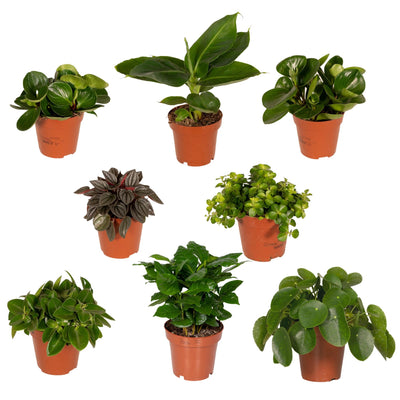
The leaves of the Coffea arabica are oval, slightly wavy at the edges, and have a mirror-smooth surface. With a delivery size of 22–30 cm, the coffee plant is a compact shrub that, with good care, can grow over a meter tall indoors. It grows bushy and retains its lush green color all year round.
The Right Location for the Coffee Plant
Where does the Coffea arabica feel most at home?
Light and humidity are the most important factors when caring for a coffee plant. A location that mimics the semi-shaded environment of tropical forests is ideal.
- Light: Bright to semi-shaded, but no direct, harsh midday sun.
- Temperature: Warm all year round (18–22 °C). In winter, it should not be kept below 15 °C.
- Humidity: It loves high humidity. A spot in a bright bathroom or regular misting is perfect.
Care & Watering: How to care for your coffee plant
How much water does the coffee shrub need?
The substrate should always be kept consistently moist. However, absolutely avoid waterlogging, as the roots of the coffee plant will rot quickly otherwise. We recommend using lime-free water (rainwater), as the plant is sensitive to too much lime in the soil.
Typical Problems & Solutions
Why does the coffee plant get brown leaves?
Brown leaf margins are usually a sign of air that is too dry or a location that is too sunny. If the leaves turn yellow and fall off, this is often due to waterlogging or cold. Check the substrate of your coffee plant regularly to recognize early stress signals.
☕ Harvesting Tip: Have patience! The plant only produces flowers and fruits after about three to four years. For successful pollination indoors, you can help it along with a small brush.
Prevention & Long-term Care
Use slightly acidic soil (e.g., rhododendron soil). During the growth phase from April to September, the coffee shrub appreciates a dose of liquid fertilizer every two weeks. To promote leaf health and strengthen its resistance against pests like scale insects, you can support the plant with gentle, nature-based plant protection products.
Common Questions About the Coffee Plant
Is the coffee plant poisonous?
The leaves and stems are mildly toxic to humans and pets. The coffee beans themselves are only suitable for consumption after roasting, but should be kept away from animals due to the caffeine.
How often should you repot the coffee plant?
Young plants grow quickly and should be repotted every year in spring into a slightly larger pot with fresh substrate.
Can the coffee plant go outside in the summer?
Yes, in a shady, wind-protected spot. Just be sure to bring it back inside before the first cool nights below 15 °C.
Take Action Now:
The coffee plant is a must-have for every coffee lover and plant enthusiast. With its shiny foliage and the prospect of your own small harvest, it brings a unique experience into your home. Ensure a bright, humid spot and consistent moisture – your coffee shrub will thank you with vigorous growth.
Bring your own piece of coffee plantation home! Order your vibrant coffee plant (Coffea arabica) from us now and enjoy exotic greenery within your four walls!


